
Low Smoke Zero Halogen Fiber Optic Cable
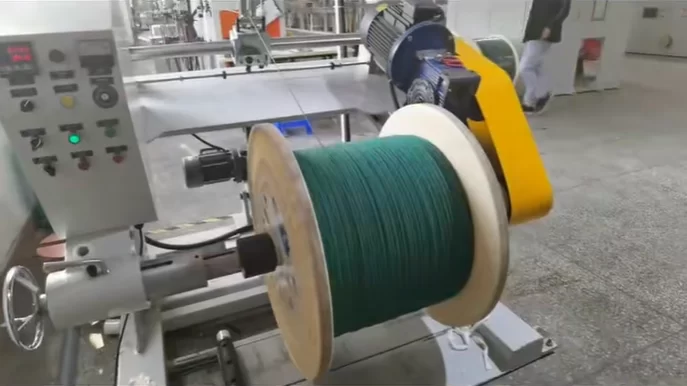
Low Smoke Zero Halogen fiber optic cable is specifically designed to reduce the smoke generation and release of toxic gases during a fire. Unlike conventional PVC jacketed fiber optics, LSZH fiber cables contain special materials that release less smoke and do not produce any corrosive hydrogen halide gases at high temperatures.
Such features allow LSZH fiber optic cables to be successfully used in indoor installations, public buildings, data centers, transportation systems, and any other area where fire safety is a significant concern.
Understanding the principles of LSZH cables work, their application areas, and the way to choose the most appropriate cable type allows making the right decision regarding communication infrastructure deployment.
What Is Low Smoke Zero Halogen Fiber Optic Cable?
Low Smoke Zero Halogen (LSZH) fiber optic cable is characterized by a jacket made of halogen-free low smoke materials.
The term LSZH emphasizes three main features of the cable:
- Low Smoke - low smoke production in case of fire.
- Zero Halogen - no halogen-based compounds such as chlorine and fluorine. Thereby, no corrosive hydrogen halide gases are produced when the cable burns.
- Fire Safety - materials are specially developed to reduce flame propagation and increase fire safety under specified fire test conditions.
It is important to understand that LSZH fiber optic cable is not completely fireproof and smoke-free. Its real fire safety characteristics depend on the construction and materials used in the cable manufacturing process.
Difference between LSZH and PVC Fiber Optic Cable
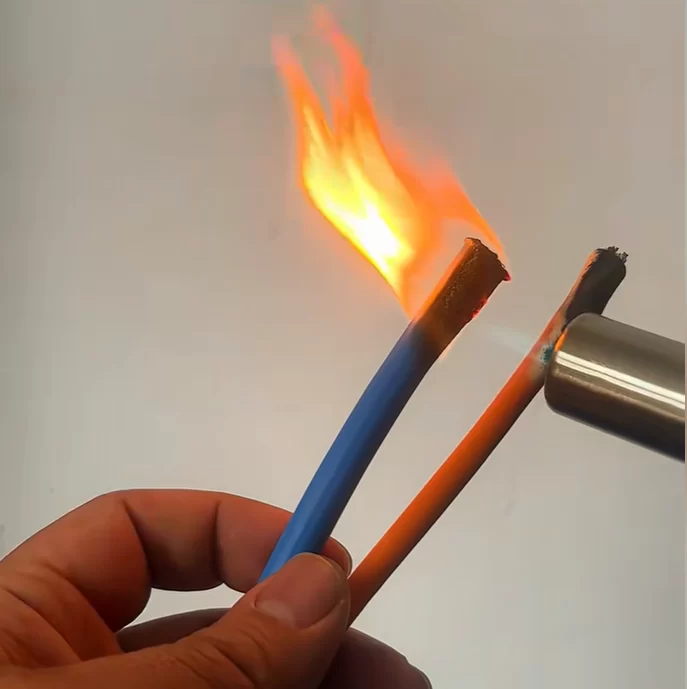
PVC (polyvinyl chloride) has been traditionally used as an outer jacket material for fiber optics due to flexibility, durability, and affordability.
However, PVC contains chlorine. Burning of the cable releases hydrogen chloride gas that forms corrosive hydrochloric acid in presence of water. Such acids can damage electronic equipment.
LSZH materials are developed to solve this problem.
| Comparison | LSZH Cable | PVC Cable |
| Halogen content | Halogen-free | Contains chlorine |
| Smoke emission | Low under specified test conditions | Generally higher |
| Corrosive gas | Very low acid gas emissions | Can release corrosive gases |
| Fire performance | Depends on cable rating | Depends on cable rating |
| Cost | Usually higher | Usually lower |
| Typical applications | Indoor and enclosed environments | General indoor applications |
From the engineering point of view, there are many other factors that should be considered before making a choice. They include the installation environment, applicable fire safety regulations, performance characteristics, and budget.
Key Features of LSZH Fiber Optic Cable
1. Reduced Smoke Emission
Reduction of smoke emission is the first advantage of LSZH cables. High density of smoke in enclosed areas such as office buildings, tunnels, and data centers can make evacuation hard. Special material helps reduce the level of smoke emission in case of fire.
2.No Halogen-Based Combustion Products
Absence of halogen-based combustion products. Conventional PVC jackets burn releasing corrosive gases that can damage metal parts, circuit boards, and connectors. LSZH jackets are not based on halogens and reduce this risk.
3. Improved fire safety.
Many LSZH fiber optic cables have flame-retardant features. But LSZH and flame retardance cannot be confused. Halogen-free cable does not necessarily meet every flame propagation standard. Before buying the cable, check fire-test certifications.
4. Suitable for indoor installations.
LSZH cables are very helpful in buildings with a lot of people. Low smoke and halogen-free features make them an ideal choice for enclosed cable routes and areas containing sensitive electronic equipment.
Application Areas of LSZH Fiber Optic Cable
LSZH fiber optic cables are widely used in networks where fire safety regulations are particularly strict.
1.Data Centers and Server Rooms
Data Centers and Server Rooms contain a lot of electronic equipment, power systems, and network cabling. In case of fire, there may be a serious damage, smoke, or corrosive gases can influence the equipment even far from the fire area. LSZH fiber optic cables help reduce the risks and are used for backbone connections, equipment interconnection, and structured cabling.
2.Commercial and Public Buildings
Commercial and Public Buildings such as hospitals, schools, shopping malls, airports, hotels, office towers usually have complex communication networks. With the high probability of large crowds, low-smoke cable materials are one of the important factors of indoor network installation.
3.Railway and Transportation Systems
Railway and Transportation Systems including railway stations, subway tunnels, airports and other transit facilities usually have cable runs in enclosed or restricted places. Such cables are useful in many cases, helping to reduce the smoke and corrosive gas emission during fire. For some railway projects, additional fire performance certification is required.
4.Industrial and Telecom Facilities
Industrial and Telecom Facilities, factories, control rooms, telecom equipment rooms, and communication infrastructure in general also use LSZH fiber optic cables.
They provide reliable transmission of optical signals complying with fire safety requirements specified for installation environment.
Standards for LSZH Fiber Optic Cable
It is necessary to pay attention to the relevant standards when buying LSZH fiber optic cables. The following IEC standards are usually used:
| Standard | Description |
| IEC 60332 | Tests the flame propagation characteristics of cables |
| IEC 60754-1 | Determines the amount of halogen acid gas produced during combustion |
| IEC 60754-2 | Measures the acidity and conductivity of gases released during combustion |
| IEC 61034-2 | Measures smoke density under defined test conditions |
Such standards measure different fire performance aspects of the cable. For instance, IEC 60332 measures flame propagation, while IEC 60754 and IEC 61034 measure gas emissions and smoke density.
Meeting one of these standards does not mean that the cable meets all other standards. Thus, it is necessary to ask for test reports and product certifications instead of the label only.
How to Choose the Right LSZH Fiber Optic Cable
Selection of the right cable requires not only verification of its halogen-free jacket. Other important factors are:
1. Type of the fiber
Use single mode fiber for long distance transmission and high capacity backbone networks. Multimode fiber is commonly used for short links inside buildings and data centers.
2. Number of fibers
Decide how many fibers you need based on current network load and expected future growth. Common fiber core numbers include 2-core, 4-core, 6-core, 12-core, 24-core, and other.
3. Construction of the cable
For indoor installations, tight buffered cables can be used. Loose tube design is common for indoor/outdoor and outdoor applications. Armor is necessary if the cable needs to have additional mechanical protection.
4. Fire performance
Check IEC, EN or local fire safety requirements, and make sure that the cable has necessary test documentation according to the project.
5. Mechanical performance
Pay attention to the tensile strength, crush resistance, minimum bend radius, and operating temperature. Such parameters directly influence installation convenience and reliability of the cable.
6. Installation environment
Think about whether the cable will be installed in cable trays, conduits, risers, equipment rooms, and/or outdoors. LSZH jacket does not ensure the ability of the cable to be installed in every place.
From my experience, the main procurement mistake is the overemphasis on fiber core numbers and price without paying attention to jacket performance and installation environment. The right cable should match both the requirements to the transmission and fire safety project requirements.
Why Choose Huijue Group for Fiber Optic Cable Solutions?
Huijue Group provides communication infrastructure products and solutions for various network applications.
For fiber optic cable projects, selection of the right cable construction is important for stable transmission, convenient installation, and reliable operation of the network.
For every project with commercial building, data center, telecom facility, or communication network of any size, cable specifications should be selected based on the particular application and technical requirements.
Huijue Group is focused on providing practical communication infrastructure solutions.